


The first device to meet the ECAC performance standard for cargo metal detecting (CMD) equipment and the first electromagnetic scanner to meet TSA Air Cargo Screening Program requirements, the CEIA Electro-Magnetic Inspection Scanner (EMIS) delivers efficiency and operational benefits in cargo pre-screening. Suitable for the automatic screening of any non-metallic cargo, EMIS requires no dedicated operator and is available in sizes to suit individual packages and palletised consignments.
The EMIS technology employs a weak electromagnetic field and is suitable for use on cargoes including grain and animal feed; produce and perishables, including flowers; baked goods; dry goods; seafood and meat, even when frozen; textiles and clothing where no metal items are attached; paper products; plastic; and rubber. And because it does not use ionizing radiation, EMIS can safely scan pharmaceutical products, organic goods and even live animals too.
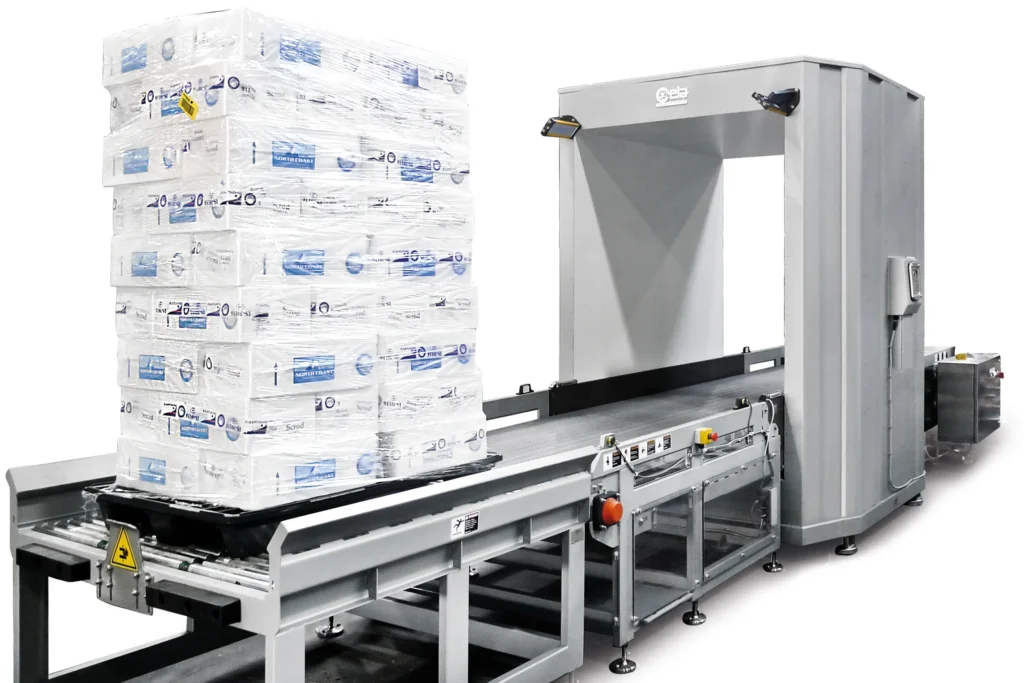
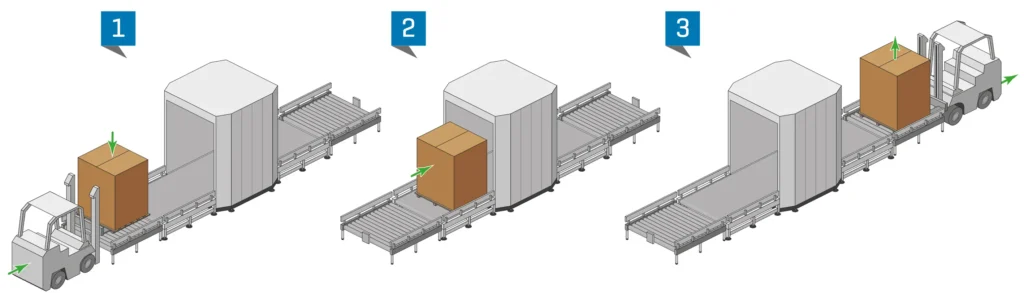
After a simple initial set-up procedure recommended before each scanning session, the EMIS need only be loaded to allow scanning to continue until a metallic object is detected. Nicolas Ouakli, Cargo and Mail Screening Equipment Global Solution Manager at CEIA explains the process: “The EMIS requires neither periodic calibration nor specific maintenance, but users can confirm the machine’s correct operation before every screening shift using the routine test piece that we supply with every device; the piece includes a performance verification mode.
“The machines are designed to detect metal components in explosive and incendiary devices concealed within air cargo. When a metallic object is detected the visual and aural alarms are triggered and the belt stops. The operator is then able to assess whether the cargo is safe for clearance or should undergo a second level of screening.”
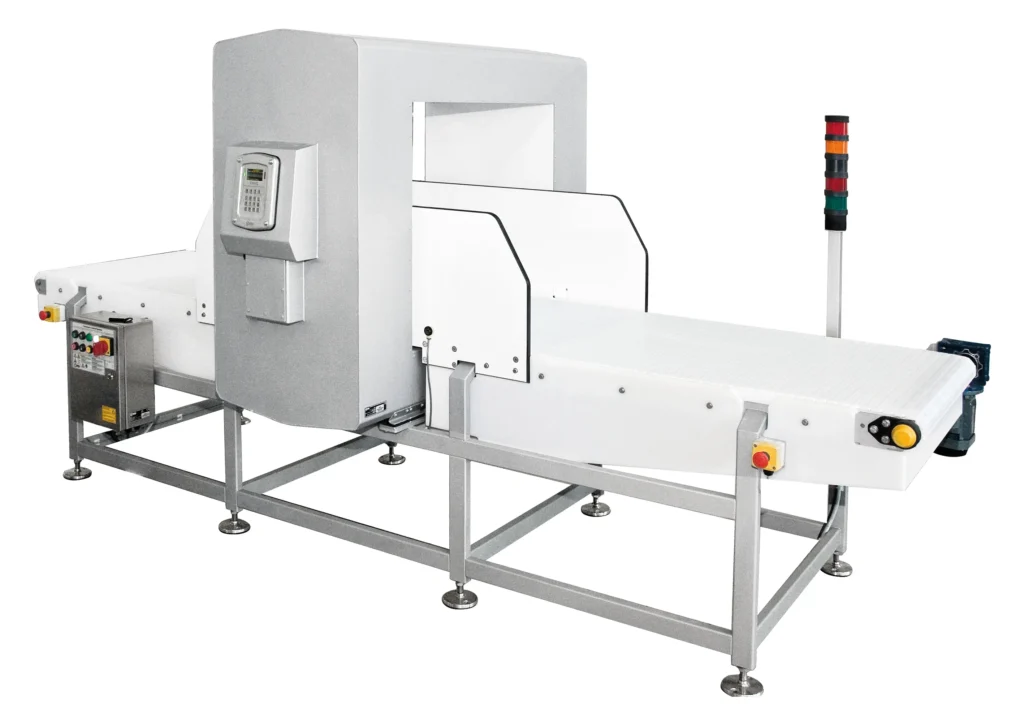
Expanding on the machine’s remarkably low maintenance requirement, Ouakli says: “It applies not only to the computer and electronics, but all the components related to the detection system. Of course, the mechanical parts are subject to normal wear and tear do require occasional work, just like you would change the tyres on a vehicle. The main servicing requirement is the periodic lubrication of the drive shaft bearings, but this is first-level maintenance and can be done by any operator.”
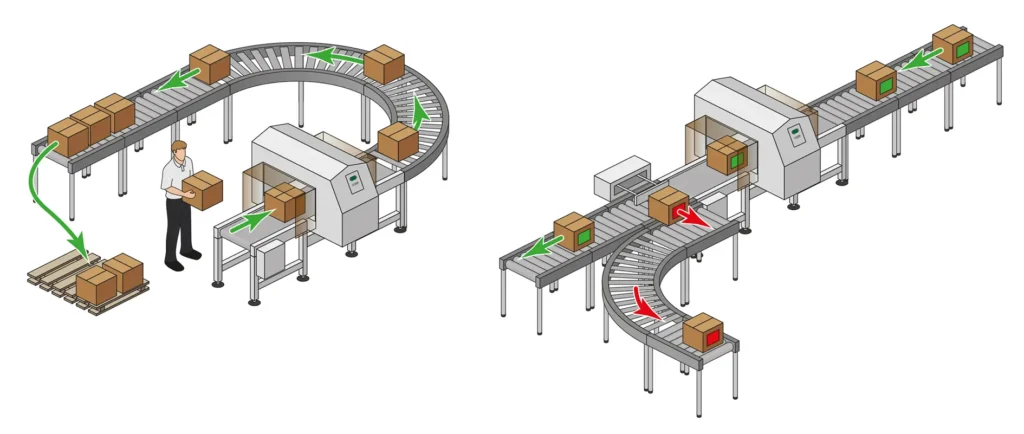
Data collection and traceability are essential elements in the security chain and here again, EMIS is highly specified. “An EMIS device registers every single event in a use cycle, starting with the power-up procedure and subsequent actions including the emergency stop button being pressed, screening results and so on. It can store up to 100,000 events locally and assigns a unique ID tag to every piece of cargo screened. It is also possible to hook up a barcode reader so that a specific barcode can be associated with an individual screening result,” Ouakli explains.
Ultimately, it is the versatility of the EMIS technology that makes the equipment so useful across a wide variety of cargo. “Characteristics including the density, organic and water content make no difference for cargo metal detectors like EMIS. The requirement for cargo scanning in a refrigerated environment, one that tends to present major challenges for other screening methods, is also no problem for EMIS. So far as electromagnetic analysis is concerned, there is no difference between a pallet of fish, vegetables or fabric. They are all non-metallic commodities so a CMD like EMIS remains the most suitable screening method for these cargoes,” Ouakli concludes.