

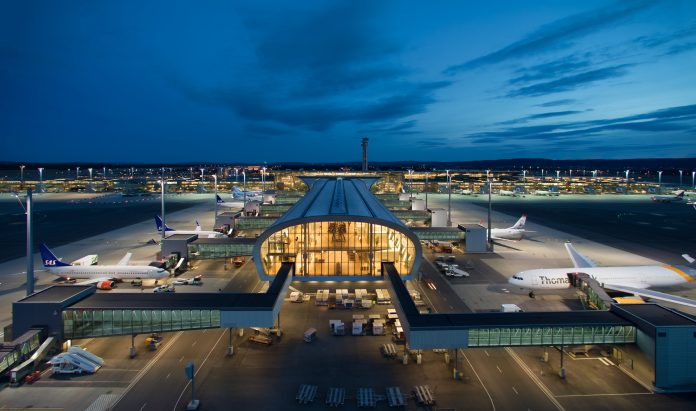

Oslo Airport Plans Major Upgrade to Support Future Growth
Oslo Airport has outlined a comprehensive modernisation plan aimed at strengthening its role as Norway’s primary aviation hub, with a strong focus on expanding cargo capacity and improving operational efficiency.
The initiative comes as the airport faces increasing pressure from rising export, import and passenger traffic, alongside rapid growth in the air cargo sector.
Addressing Capacity Constraints
Airport director Thorgeir Landevaag said the plans are designed to future-proof the airport:
“We have essentially put the entire Oslo Airport on the drawing board.”
The airport is already experiencing:
- A shortage of aircraft parking stands
- Rapidly growing cargo volumes
- Increased demand across passenger and freight operations
The proposed developments aim to address both immediate capacity challenges and long-term growth requirements.
New Cargo Area to Support Key Exports
A central element of the plan is the relocation of the cargo area to the west side of the airport, where new logistics and cargo terminals will be developed.
This move is expected to:
- Increase cargo handling capacity
- Improve delivery reliability
- Support Norway’s export industries, particularly seafood
Seafood remains Norway’s second-largest export, with Oslo Airport playing a critical role in global distribution.
Landevaag emphasised the importance of the investment:
“This will secure both capacity and delivery stability for an industry that is crucial for national logistics preparedness and export strength.”
Unlocking Space for Passenger Growth
Relocating cargo operations will also free up valuable space within the airport’s current footprint, enabling:
- Expansion of passenger services
- Development of new routes
- More efficient use of existing infrastructure
The plan avoids the need for costly expansion into less central areas by optimising current assets.
Enhancing Runway Efficiency
In addition to infrastructure changes, Oslo Airport will implement operational improvements, including:
- Better utilisation of its two existing runways
- Introduction of rapid exit taxiways
- Increased aircraft movement capacity without major environmental impact
These measures could delay the need for a third runway, while still accommodating future demand.
Long-Term Vision for a Competitive Hub
The modernisation plan forms part of a broader strategy led by Avinor to ensure Oslo Airport remains:
- Efficient
- Sustainable
- Competitive in the global aviation market
While still in the planning phase, the initiative signals a long-term commitment to strengthening Norway’s aviation infrastructure and supporting critical trade flows.
Supporting Norway’s Logistics Future
With growing global demand for Norwegian exports and increasing passenger traffic, Oslo Airport’s transformation aims to deliver a resilient, scalable and future-ready hub.
If implemented, the plan will play a key role in maintaining Norway’s connectivity to international markets while supporting economic growth for decades to come.