

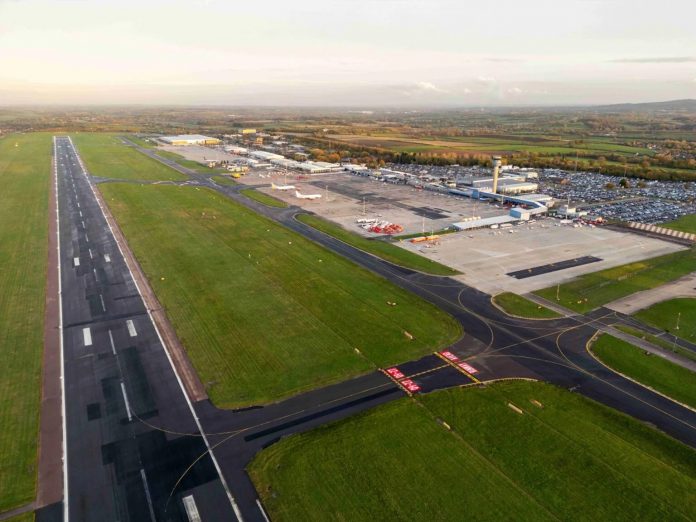

East Midlands Airport has begun a series of major infrastructure upgrades this winter as part of its ongoing £120 million investment programme.
The works — scheduled to take place during planned daytime runway closures — include a full replacement of Taxiway Bravo, a redesign of the Central Apron to increase aircraft capacity, and the installation of advanced lighting systems across all aprons. The airport says carrying out the improvements during daylight hours will allow teams to work more efficiently while keeping disruption to a minimum for both passengers and cargo operators.
Following consultation with airlines and other partners, the airport has opted to shift work that would traditionally take place overnight into the daytime, enabling larger sections of the airfield to be safely upgraded at once. Routine maintenance of the runway, taxiways and aprons will also be completed during Wednesday closures throughout the winter.
The upgrades form a key part of the airport’s long-term strategy to enhance safety, improve operational resilience and support future growth — particularly across its expanding cargo business.
Key projects include:
Full replacement of Taxiway Bravo: A critical taxiway linking the runway with the west apron used by heavy cargo aircraft, Taxiway Bravo is undergoing a complete surface and infrastructure upgrade.
The improvements will ensure it meets the latest operational standards and can support a broader mix of aircraft types. Redesign of the Central Apron: The Central Apron — where most passenger aircraft park — is being reconfigured to optimise space and improve turnaround performance. The redesign will create four new aircraft stands, increasing the total to 28 to accommodate growing airline operations. Upgraded airfield lighting: New advanced lighting systems will be installed across the east, west and central aprons. Enhanced ground and centreline lighting will improve visibility, guidance and safety for aircraft during taxiing, parking and pushback.
Additional upgrades include improvements to electrical substations, enhancements to hydrant and drainage systems, and general maintenance across the runway and wider airfield.
Brian McCoubrey, the airport’s Asset Development Director, said the winter works represent a significant step in future-proofing the region’s aviation infrastructure.
“These winter works are not just about maintenance – they’re an investment in the airport’s future, ensuring it continues to serve as a vital hub for passengers and freight across the UK and beyond.
By investing in its taxiways, aprons and lighting systems, the airport is reinforcing its role as a key regional hub and ensuring it remains competitive, resilient and ready to meet the demands of modern aviation.”
The airport expects the programme to strengthen its operational capabilities and maintain its status as a leading UK gateway for both passenger travel and air cargo.