


Airbus is intensifying testing of the cargo systems for its new Airbus A350F as the aircraft moves closer to its first flight later this year.
Engineers at Airbus facilities in Bremen, Germany, are currently carrying out extensive trials on the freighter’s main-deck cargo door and cargo loading systems, key components designed to allow the aircraft to transport up to 111 tonnes of freight safely and efficiently.
The company said the work is focused on ensuring the aircraft is ready for certification, operational service and its upcoming flight-test campaign.
Unlike passenger aircraft converted into freighters, the A350F has been designed from the outset as a dedicated next-generation cargo aircraft, with Airbus placing particular emphasis on automation, reliability and operational efficiency.
Giant cargo door undergoes testing
One of the most significant systems being evaluated is the aircraft’s Main-Deck Cargo Door actuation system, which Airbus describes as the largest cargo door in the industry, featuring a 170-inch-wide opening.
The testing is being conducted on a large demonstrator known as the Cargo Door Actuation System System Integration Bench, or CDAS SIB.
The structure, weighing almost 20 tonnes, allows engineers to repeatedly test the opening and closing of the cargo door under simulated operational loads and environmental conditions.
The A350F’s cargo door uses an all-electric operating system rather than traditional hydraulics, reflecting Airbus’s broader “more electric aircraft” design philosophy first introduced with the A350 programme.
The electrically powered geared rotary actuators can open or close the cargo door in under 60 seconds and are designed to operate even in winds of up to 40 knots.
Airbus said the latching mechanism also introduces a new patented design aimed at reducing weight, saving space and lowering maintenance complexity compared with existing freighter systems.
Jürgen Ruckes said the current phase of testing is helping engineers prepare the aircraft for both ground and flight-test operations.
“The immediate goal is ensuring the system is locked and secured,” he said.
“Later, the system must be shown to be compliant with airworthiness requirements for EASA certification.”
‘Cargo Zero’ replicates real freight operations
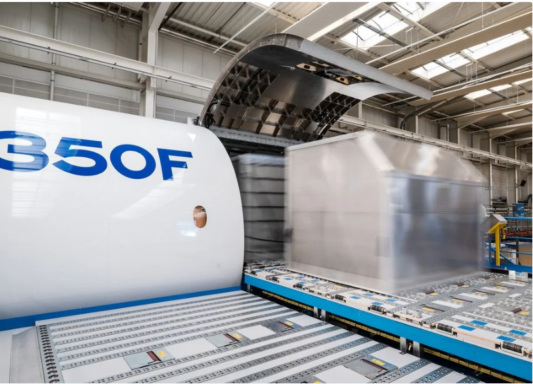
Alongside the cargo door testing, Airbus is also evaluating the aircraft’s Cargo Loading System using a full-scale demonstrator known internally as “Cargo Zero”.
The 24-metre-long rig replicates much of the A350F’s cargo hold, including roller tracks, power-drive units, latches, electrical systems and control panels used by ground crews to load and position freight containers.
Engineers are using the system to simulate real-world freight operations, including loading heavy cargo under varying aircraft angles and floor flex conditions.
The testing includes handling oversized freight such as turbofan engines and heavy cargo containers weighing up to 28 tonnes.
According to Airbus, one customer-requested scenario involves testing the loading of large aircraft engines mounted on transport stands to ensure they can be moved safely and automatically within the aircraft.
The company is also carrying out operational safety exercises, including emergency evacuation and medical rescue simulations inside the cargo hold area.
To support the programme, Airbus has integrated mixed-reality technology, including Microsoft HoloLens devices, allowing engineers to align virtual components with the physical test structure during assembly and inspection work.
Freighter market remains strategically important
The A350F forms part of Airbus’s wider push into the long-haul cargo market, where demand for more fuel-efficient and lower-emission freighter aircraft has increased amid tighter environmental regulations and fleet renewal programmes.
The aircraft is expected to compete directly with Boeing’s established large freighter models while offering airlines lower fuel burn and improved payload capability.
With the first flight drawing closer, Airbus said the Bremen testing programme is playing a critical role in reducing technical risks before certification and commercial entry into service.